



Origins:

Much like the other Orders, the Order of the Sword was born in the aftermath of the Last Battle at the Wall and the climactic end to the Fall. Bereft of Hazlia’s guidance and torn by Leander’s perceived betrayal, the Legion splintered. The Order of the Sword was formed during this tumultuous time, composed of those Legionnaires who sought to protect mankind from all inhuman threats. For all of its bounty and splendor, Ea was inhabited by countless dangers and the Order of the Sword pledged itself to defend mankind from all of them. 

Unlike the other Orders, their mandate was simple, if broad. Not for them the politicking and maneuvering of the Orders of the Sealed Temple or Shield. Much like the Order of the Crimson tower, they would rely on pure military might to achieve their aims, but unlike their brethren who sought and esoteric goal, they would focus on the here and now: the alien and the eldritch that would threaten the nascent Hundred Kingdoms. 

Philosophy:

Unlike the other Orders, the Order of the Sword has long preferred to fight on foot in order to bring about the full potential of their formidable bladework. Without the distractions of horsemanship, diplomacy and subterfuge, their singleminded focus on the sword has allowed them to reach a level of mastery with the blade that no other force can match. Centuries ago, this single minded focus laid the foundation for the Order of the Sword’s guiding principles: simplicity, excellence and discipline. 

Given the nature of their conflict, where the foe is easily identified and the challenge straightforward, this simple approach served the Order well for centuries as they focused on martial training and combat against the Other. Among the Orders, already conservative organizations that placed a great deal of emphasis on tradition and history, the Order of the Sword was considered to be amongst the most zealous and hidebound and would probably have remained so if not for the Nord invasion of Svarthgalm, Einherjar of the Nords. 

The Red Years:

Little needs to be said of that dark chapter of the Hundred Kingdoms’ history other than the fact that were it not for the Order of the Swords sacrifice, Svarthgalm and his bloodthirsty invasion would probably have swept away what little civilization the nascent Hundred Kingdoms had managed to cobble together in the aftermath of the Fall. When all was said and done, the Order of the Sword had lost over 80% of its Brothers Militant, a simple fact that would, centuries down the line, bring us to the political crisis the Order has instigated.

For along with its brethren, the order lost over a dozen Priories, each containing centuries worth of carefully hoarded knowledge, training manuals, texts and materials that could not be replaced following the collapse of the Dominion. Some thought was given to formally disbanding the Order, but few countenanced such a cowardly idea seriously. Instead, the Order chose to rebuild. But absent its most veteran members and with a vast number of its texts and manuals lost to the fires of War, the foundation of the Order had been cut loose from its earlier dogmatic pursuit of simple martial excellence and outsider foes.

Recruitment:

Today, the Order of the Sword finds itself at a crossroads. A strong ideological divide has been created along geographic lines, with the northern Priories and Southern ones differing significantly in outlook and traditions. 

Necessity and the harsh realities of the wild northern frontiers of the Hundred Kingdoms drove the Northern Priories to accept all comers to their ranks, with peasant and noble alike training side by side. The absence of old, established Priories and training grounds have forced them to adopt a system of apprenticeship, with Brothers Militant taking on a handful of trainees and teaching them throughout the course of five years while on active duty. This has led to a far more individualized and practical training regimen for each candidate than the centralized training regimes of the South. 

This is not to say that it is less onerous or demanding, merely that the views and outlook of the Brother in charge of training play a larger role in the education and shaping of the recruits. With fewer resources and limited access to books, not to mention vastly different literacy levels amongst its recruits, a large portion of the dogma of the Order is taught orally, with a strong focus on the principles of the Order rather than its rules and regulations. 

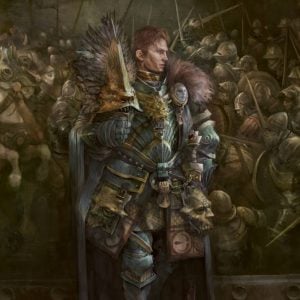
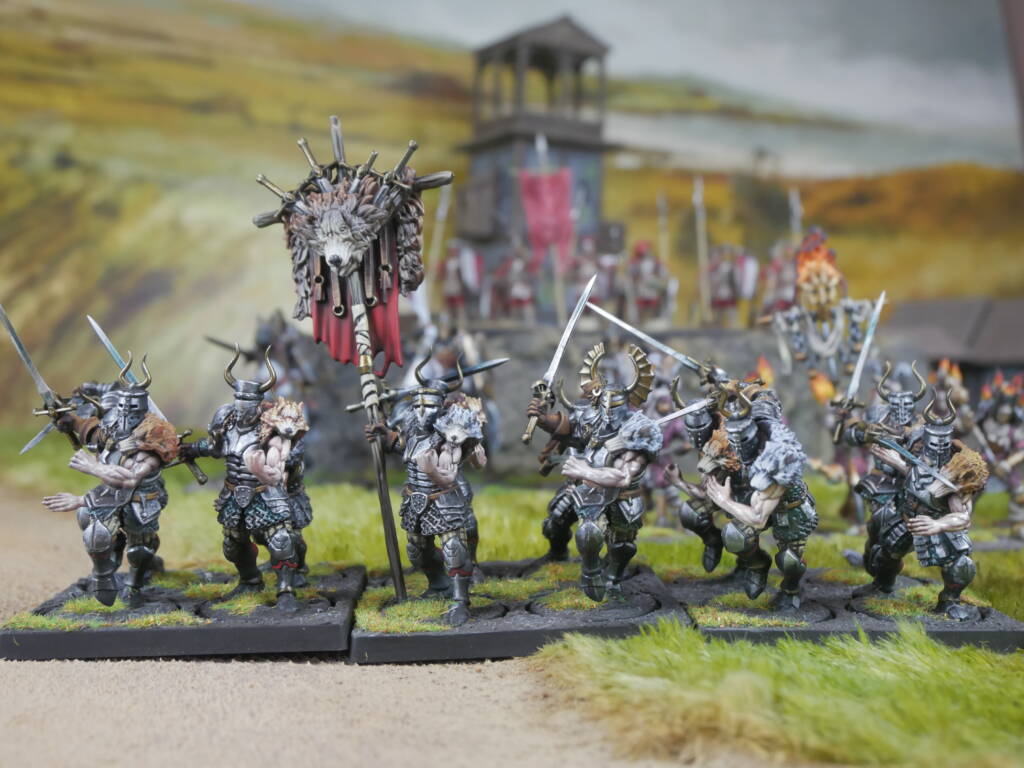
This approach has led to a significant shift in the outlook of the Order of the Sword. Rules, regulations and etiquette have been discarded in favor of combat effectiveness, operational success and a focus on the discussion of the basic principles of the Order rather than indoctrination. This has created a strongly egalitarian Order, where individuality is embraced in both the training regime and outlook, leading to higher recruitment rates and agency amongst its Brothers Militant. This has also seen them abandon the cumbersome full plate of the other, more traditionalist Orders, embracing a more flexible half plate backed by chain and padding that serves them well in the deep forests and raging streams of the North. 

The Southern Priories have stuck to the traditional processes of recruitment and training, limiting themselves to the nobility and focusing on a dogmatic adherence to the old texts when it comes to ideological education. While more centralized and cohesive, this has limited their recruitment rate and operational efficiency, leading the Northern Priories to significantly overtake them in number and size. The southern Priories rely on their united front and powerful backers to contest the fragmented but more vital northern Priories. 

Initiation:

Despite the differences in training and testing, the process of initiation in the Order of the Sword is almost identical, as the danger of the process demands precision and a strict adherence to the process. Much like the other Orders, the Initiation is merged with the knighting ceremony. After a week of fasting and ritual purification, the candidates are led to the grand hall of their Priory where they are tested in their skill and understanding of the Orders principles by a panel of Brothers Militant before their peers. Few who survive the training and make it this far fail, their success crowned with an acceptance by acclaim from their gathered Brothers. Their Oaths are administered and each candidate granted their Shard by the head of their Brothers Mendicant. A small incision is made in the upper arm of each candidate and the shard driven in as deeply as possible after which the wound is ritually cleansed and cauterized by the newly anointed brothers own heated sword, ritually sealing the bond between man, blade and the ideals he has committed himself to. 

Implant:

There is a significant difference between the Order of the Sword and the other orders when it comes to the manifestation of their implant. While the other orders gain internal gifts such as the endurance and fortitude of the Sealed Temple or the resistance to pain and injury of the Crimson Tower, the Order of the Sword gains a more focused and visible blessing. Slowly but surely tendrils of raw silubaster snake from the implanted shard, snaking down the Brothers arm, following the path of his nerves and slowly integrating with the tissues that surround it. The strength and toughness of the Silubaster itself make the arm incredibly resistant to damage, as even the faint tendrils of this miraculous material that criss-cross an initiates skin are capable of stopping the slash of a blade, but this power is merely incidental. The main benefit the initiate receives is a massively increased reflex and reaction time when using that arm. Combined with the toughness of the silubaster veins, full Brothers of the Order have been known to snatch arrows out of the air and deflect blades with their bare arms, receiving nothing more than a scratch on their nigh invulnerable skin. The only caveat to this power is that these enhanced reflexes are so overwhelming that they are difficult to control, meaning the implant is always placed in the Initiate’s off hand that it might not interfere with their sword play. 

Activities:

For centuries, the Order of the Sword has been on the front lines of all combat between the Hundred Kingdoms and the inhuman powers that would threaten them. Any lord or authority figure could appeal for their aid when threatened by the inhuman or seek to enlist them in an effort to drive them from the land. This has not changed, but over the centuries the scope of their interventions has increased. The prized individualism and decentralized nature of the Order has led Priory Commanders to participate in countless battles in defense of the people of the Hundred Kingdoms, a record rivaled only by the Order of the Sealed Temple. It should come as little surprise that the most common foe remain the Nords, whose ceaseless raids and migrations have remained a terrible threat to the North. One of the curious by-products of this eternal war waged against the northern neighbors has been an atavistic adoption of the wolf mantle as a symbol of status amongst the Order, with the greatest amongst the Order being able to boast a Fenr hide as their cloak. 

Whoever the foe is, though, the Order of the Sword is almost certain to be at the forefront of battle. Small scale conflict will often see a patrol and their trainees take the field, but for larger battles the Priory itself mobilizes, recalling its Brothers militant and fielding them en masse as the single most potent infantry in the world. 


Origins:


Much like the other Orders, the Order of the Sword was born in the aftermath of the Last Battle at the Wall and the climactic end to the Fall. Bereft of Hazlia’s guidance and torn by Leander’s perceived betrayal, the Legion splintered. The Order of the Sword was formed during this tumultuous time, composed of those Legionnaires who sought to protect mankind from all inhuman threats. For all of its bounty and splendor, Ea was inhabited by countless dangers and the Order of the Sword pledged itself to defend mankind from all of them. 

Unlike the other Orders, their mandate was simple, if broad. Not for them the politicking and maneuvering of the Orders of the Sealed Temple or Shield. Much like the Order of the Crimson tower, they would rely on pure military might to achieve their aims, but unlike their brethren who sought and esoteric goal, they would focus on the here and now: the alien and the eldritch that would threaten the nascent Hundred Kingdoms. 


Philosophy:


Unlike the other Orders, the Order of the Sword has long preferred to fight on foot in order to bring about the full potential of their formidable bladework. Without the distractions of horsemanship, diplomacy and subterfuge, their singleminded focus on the sword has allowed them to reach a level of mastery with the blade that no other force can match. Centuries ago, this single minded focus laid the foundation for the Order of the Sword’s guiding principles: simplicity, excellence and discipline. 

Given the nature of their conflict, where the foe is easily identified and the challenge straightforward, this simple approach served the Order well for centuries as they focused on martial training and combat against the Other. Among the Orders, already conservative organizations that placed a great deal of emphasis on tradition and history, the Order of the Sword was considered to be amongst the most zealous and hidebound and would probably have remained so if not for the Nord invasion of Svarthgalm, Einherjar of the Nords. 


The Red Years:

Little needs to be said of that dark chapter of the Hundred Kingdoms’ history other than the fact that were it not for the Order of the Swords sacrifice, Svarthgalm and his bloodthirsty invasion would probably have swept away what little civilization the nascent Hundred Kingdoms had managed to cobble together in the aftermath of the Fall. When all was said and done, the Order of the Sword had lost over 80% of its Brothers Militant, a simple fact that would, centuries down the line, bring us to the political crisis the Order has instigated.

For along with its brethren, the order lost over a dozen Priories, each containing centuries worth of carefully hoarded knowledge, training manuals, texts and materials that could not be replaced following the collapse of the Dominion. Some thought was given to formally disbanding the Order, but few countenanced such a cowardly idea seriously. Instead, the Order chose to rebuild. But absent its most veteran members and with a vast number of its texts and manuals lost to the fires of War, the foundation of the Order had been cut loose from its earlier dogmatic pursuit of simple martial excellence and outsider foes.


Recruitment:

Today, the Order of the Sword finds itself at a crossroads. A strong ideological divide has been created along geographic lines, with the northern Priories and Southern ones differing significantly in outlook and traditions. 

Necessity and the harsh realities of the wild northern frontiers of the Hundred Kingdoms drove the Northern Priories to accept all comers to their ranks, with peasant and noble alike training side by side. The absence of old, established Priories and training grounds have forced them to adopt a system of apprenticeship, with Brothers Militant taking on a handful of trainees and teaching them throughout the course of five years while on active duty. This has led to a far more individualized and practical training regimen for each candidate than the centralized training regimes of the South. 

This is not to say that it is less onerous or demanding, merely that the views and outlook of the Brother in charge of training play a larger role in the education and shaping of the recruits. With fewer resources and limited access to books, not to mention vastly different literacy levels amongst its recruits, a large portion of the dogma of the Order is taught orally, with a strong focus on the principles of the Order rather than its rules and regulations. 

This approach has led to a significant shift in the outlook of the Order of the Sword. Rules, regulations and etiquette have been discarded in favor of combat effectiveness, operational success and a focus on the discussion of the basic principles of the Order rather than indoctrination. This has created a strongly egalitarian Order, where individuality is embraced in both the training regime and outlook, leading to higher recruitment rates and agency amongst its Brothers Militant. This has also seen them abandon the cumbersome full plate of the other, more traditionalist Orders, embracing a more flexible half plate backed by chain and padding that serves them well in the deep forests and raging streams of the North. 

The Southern Priories have stuck to the traditional processes of recruitment and training, limiting themselves to the nobility and focusing on a dogmatic adherence to the old texts when it comes to ideological education. While more centralized and cohesive, this has limited their recruitment rate and operational efficiency, leading the Northern Priories to significantly overtake them in number and size. The southern Priories rely on their united front and powerful backers to contest the fragmented but more vital northern Priories. 

Initiation:

Despite the differences in training and testing, the process of initiation in the Order of the Sword is almost identical, as the danger of the process demands precision and a strict adherence to the process. Much like the other Orders, the Initiation is merged with the knighting ceremony. After a week of fasting and ritual purification, the candidates are led to the grand hall of their Priory where they are tested in their skill and understanding of the Orders principles by a panel of Brothers Militant before their peers. Few who survive the training and make it this far fail, their success crowned with an acceptance by acclaim from their gathered Brothers. Their Oaths are administered and each candidate granted their Shard by the head of their Brothers Mendicant. A small incision is made in the upper arm of each candidate and the shard driven in as deeply as possible after which the wound is ritually cleansed and cauterized by the newly anointed brothers own heated sword, ritually sealing the bond between man, blade and the ideals he has committed himself to. 

Implant:

There is a significant difference between the Order of the Sword and the other orders when it comes to the manifestation of their implant. While the other orders gain internal gifts such as the endurance and fortitude of the Sealed Temple or the resistance to pain and injury of the Crimson Tower, the Order of the Sword gains a more focused and visible blessing. Slowly but surely tendrils of raw silubaster snake from the implanted shard, snaking down the Brothers arm, following the path of his nerves and slowly integrating with the tissues that surround it. The strength and toughness of the Silubaster itself make the arm incredibly resistant to damage, as even the faint tendrils of this miraculous material that criss-cross an initiates skin are capable of stopping the slash of a blade, but this power is merely incidental. The main benefit the initiate receives is a massively increased reflex and reaction time when using that arm. Combined with the toughness of the silubaster veins, full Brothers of the Order have been known to snatch arrows out of the air and deflect blades with their bare arms, receiving nothing more than a scratch on their nigh invulnerable skin. The only caveat to this power is that these enhanced reflexes are so overwhelming that they are difficult to control, meaning the implant is always placed in the Initiate’s off hand that it might not interfere with their sword play. 


Activities:

For centuries, the Order of the Sword has been on the front lines of all combat between the Hundred Kingdoms and the inhuman powers that would threaten them. Any lord or authority figure could appeal for their aid when threatened by the inhuman or seek to enlist them in an effort to drive them from the land. This has not changed, but over the centuries the scope of their interventions has increased. The prized individualism and decentralized nature of the Order has led Priory Commanders to participate in countless battles in defense of the people of the Hundred Kingdoms, a record rivaled only by the Order of the Sealed Temple. It should come as little surprise that the most common foe remain the Nords, whose ceaseless raids and migrations have remained a terrible threat to the North. One of the curious by-products of this eternal war waged against the northern neighbors has been an atavistic adoption of the wolf mantle as a symbol of status amongst the Order, with the greatest amongst the Order being able to boast a Fenr hide as their cloak. 

Whoever the foe is, though, the Order of the Sword is almost certain to be at the forefront of battle. Small scale conflict will often see a patrol and their trainees take the field, but for larger battles the Priory itself mobilizes, recalling its Brothers militant and fielding them en masse as the single most potent infantry in the world.